

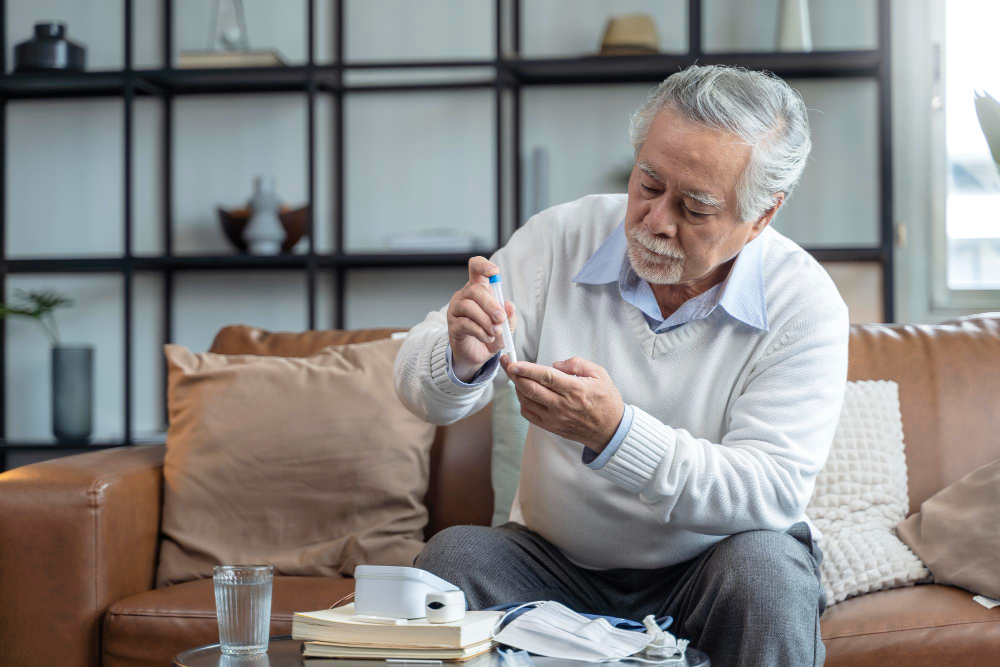
Introduction: Understanding Low Blood Sugar in Older Adults
Low blood sugar in older adults, also called hypoglycemia, is a serious health concern. It happens when the level of sugar in the blood drops too low. For seniors, this can be dangerous. As people age, their bodies may not respond to low blood sugar as quickly. Because of this, knowing the signs and how to prevent it is very important. Early action can help avoid problems and keep older adults safe.
Common Symptoms of Hypoglycemia in Seniors
Recognizing hypoglycemia symptoms in older adults can be tricky. Sometimes, signs are mild or mistaken for other issues. However, knowing what to look for helps with quick action. Common symptoms include:
Sometimes, older adults may not feel classic symptoms. Instead, they might seem sleepy, confused, or even faint. Therefore, caregivers should watch for any sudden changes in behavior or alertness.
Main Causes and Risk Factors in Older Adults
There are several reasons why low blood sugar in elderly people happens. Some causes are more common in seniors. For example, older adults may take medicines for diabetes that lower blood sugar too much. Other risk factors include:
In addition, aging bodies may not process medicine as well. This can make blood sugar drop more easily. Because of this, regular check-ups are important for seniors.
How Hypoglycemia Is Diagnosed
Doctors diagnose low blood sugar in older adults by checking symptoms and testing blood sugar levels. Usually, a simple finger-prick test shows if blood sugar is low. Most often, a level below 70 mg/dL is considered hypoglycemia. However, some people may feel symptoms at higher levels. If symptoms appear, it is important to test blood sugar right away. In some cases, doctors may order more tests to find the cause. They may also review medicines and health history.
Treatment and Immediate Steps During an Episode
If an older adult has low blood sugar, quick action is needed. First, check blood sugar if possible. Then, follow these steps:
If the person cannot swallow or is unconscious, call emergency services right away. Never give food or drink to someone who cannot safely swallow.
Lifestyle Tips and Daily Management for Prevention
Preventing hypoglycemia in seniors is possible with daily care. Here are some helpful tips:
Additionally, review medicines with a healthcare provider often. This helps lower the risk of low blood sugar in elderly people.
Advice for Caregivers and Family Members
Caregivers play a key role in managing low blood sugar in aging loved ones. To help, you can:
Moreover, support and understanding can make daily management easier for seniors.
Prevention Strategies Tailored to Older Adults
Preventing hypoglycemia in seniors takes planning. Here are some strategies:
In some areas, local senior centers or support groups offer extra help. Ask your doctor about resources in your city or town.
Conclusion: Take Action for Better Health
Low blood sugar in older adults can be serious, but it is manageable. By knowing the symptoms, causes, and prevention tips, seniors and caregivers can stay safe. If you have concerns or notice warning signs, consult a healthcare specialist for personalized advice on managing low blood sugar.